
1. Introduction to Digital Marketing
Digital Marketing is a method in which internet and online platforms are used to promote products and services. Nowadays people spend most of their time on mobile and computers, so businesses use digital channels to reach their customers. It includes different techniques like SEO (Search Engine Optimization), SEM (Search Engine Marketing), Social Media Marketing, Content Marketing and Email Marketing. The main purpose of Digital Marketing is to deliver the right message to the right audience and increase sales or brand awareness by engaging them. This field has become the fastest-growing career option today.
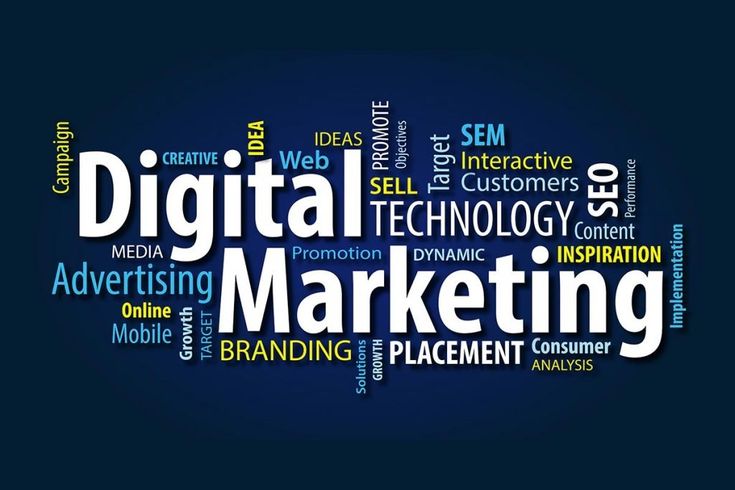
2.What is Digital Marketing?
Digital Marketing is a modern marketing technique that uses the internet and online tools to promote products and services. While traditional marketing was limited to newspapers, TV and hoardings, digital marketing focuses on online platforms like Google, Facebook, Instagram, YouTube and websites. It includes strategies like SEO (Search Engine Optimization), SEM (Search Engine Marketing), Social Media Marketing, Email Marketing and Content Marketing. The main goal of Digital Marketing is to reach the right audience easily and fast, engage them and generate conversions. In today’s digital era, this is a very important field for both business growth and career.
3. Importance in Today’s Business World
- Wider Reach – Digital Marketing allows businesses to reach their products to a worldwide audience.
- Cost-Effective – It is cheaper and more effective than traditional marketing.
- Target Audience – The right audience can be targeted based on age, interest and location.
- Measurable Results – The results of campaigns can be easily tracked and analysed.
- Faster Communication – Instant connect with customers is possible through social media and emails.
- Brand Awareness – Online presence increases brand visibility and recognition.
- High Career Scope – This field is the fastest-growing career option for students and professionals.
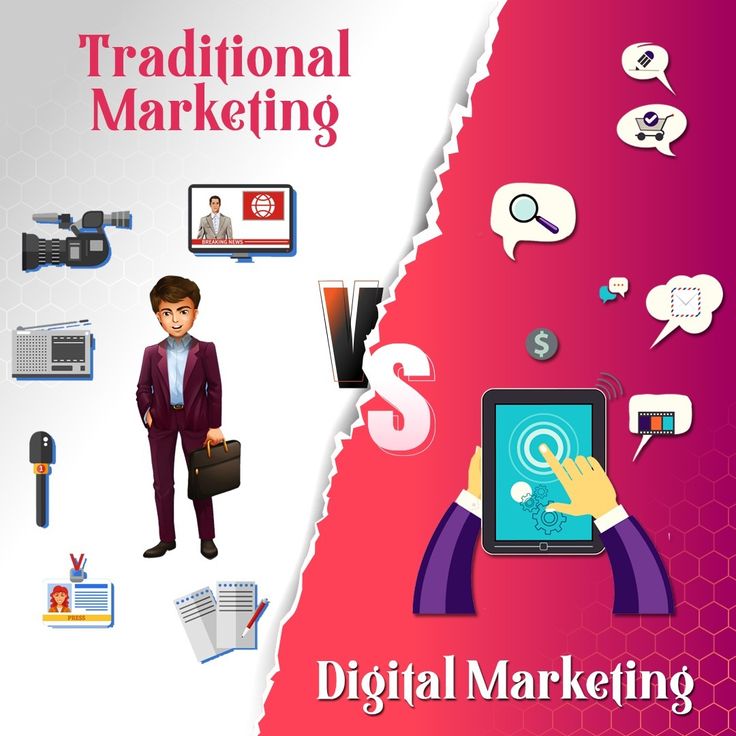
4.Traditional Marketing vs Digital Marketing
(A) Traditional Marketing
- Newspaper, TV, Radio, Posters, Hoardings
- Limited to specific area or city
- High cost campaigns
- General audience
- Difficult to measure
- One-way communication
- Slow process, time-consuming
- Helpful but limited
(B) Digital Marketing
- Internet, Websites, Social Media, search engines
- Global reach
- Cost-effective and budget friendly
- Specific audience based on age, interest, location
- Easy mesurable through analytics tools
- Two-way, instant interactions with customers
- Fast and real-time marketing
- Rapid growth with better opportunities
5.Core Components of Digital Marketing
There are some core components of Digital Marketing that help a business grow online. The first is SEO (Search Engine Optimization), which gives the website top rank on Google search. The second is SEM (Search Engine Marketing) in which traffic is brought by running paid ads. Social Media Marketing creates brand awareness on platforms like Facebook, Instagram and LinkedIn. Content Marketing engages the audience through blogs, videos and articles. Email Marketing delivers personalized messages directly to the customers. Apart from these, Affiliate Marketing and Influencer Marketing also play an important role. All of these together become strong pillars of digital success.
6.Search Engine Optimization (SEO)
Search Engine Optimization, short for SEO, is a process where a website is optimised to give it a higher ranking in search engines like Google. When people search for a keyword, SEO helps the website show up in top results. This brings organic traffic to the website, which is free. SEO has two main parts – On-Page SEO (like keywords, title, meta description, content optimization) and Off-Page SEO (backlinks, social sharing, promotions). Another important part is Technical SEO, which improves site speed, mobile-friendliness and indexing. In today’s digital world, SEO is a powerful tool that boosts both business growth and visibility.
7.Pay-Per-Click Advertising (PPC)
Pay-Per-Click Advertising or PPC is an online advertising model in which the advertiser pays for every click. This means that cost is incurred only when a user clicks on an ad. It is mainly used in Google Ads, Bing Ads and on social media platforms. PPC campaigns help a business reach its target audience quickly and increase website traffic. Keywords play a very important role in this because ads appear only on those searches that are relevant. Generating leads and increasing sales through PPC becomes fast. This is a cost-effective and measurable digital marketing strategy that is useful for both small and large businesses.
8.Social Media Marketing (SMM)
Social Media Marketing or SMM is a digital marketing strategy in which businesses use social platforms to promote their products and services. Platforms like Facebook, Instagram, Twitter, LinkedIn and YouTube are its main tools. The purpose of SMM is to create brand awareness, engage with customers and generate sales or leads. It uses different content formats like posts, reels, videos, stories and ads. The special thing about SMM is that it provides two-way communication where business and customer can directly interact. In today’s digital era, SMM is the best source of fast, affordable and effective marketing
9.Content Marketing
Content Marketing ek aisi strategy hai jisme valuable aur relevant content create karke audience ko attract aur engage kiya jata hai. Isme directly product sell nahi kiya jata, balki useful information ke through trust build kiya jata hai. Content ke forms hote hain blogs, articles, videos, infographics, podcasts aur social media posts. Jab audience ko informative aur helpful content milta hai to wo brand ke saath connect feel karti hai. Content Marketing ka main goal hota hai long-term relationship banana, brand awareness increase karna aur finally leads ya sales generate karna. Aaj ke digital era me ye har business ke liye ek powerful aur cost-effective tool ban chuka hai.
10.Email Marketing
Email Marketing is a digital marketing technique in which businesses reach their customers directly through emails. Its main purpose is to provide product updates, share new offers, create brand awareness and build strong customer relationships. Email Marketing is cost-effective and personalised messages can be easily sent through it. For example, a company can send weekly newsletters, discount coupons or new product launch details to its subscribers. By using segmentation and automation, it is possible to deliver messages to the right audience at the right time. In today’s digital world, Email Marketing is an effective tool that increases sales by generating leads.
11.Affiliate Marketing
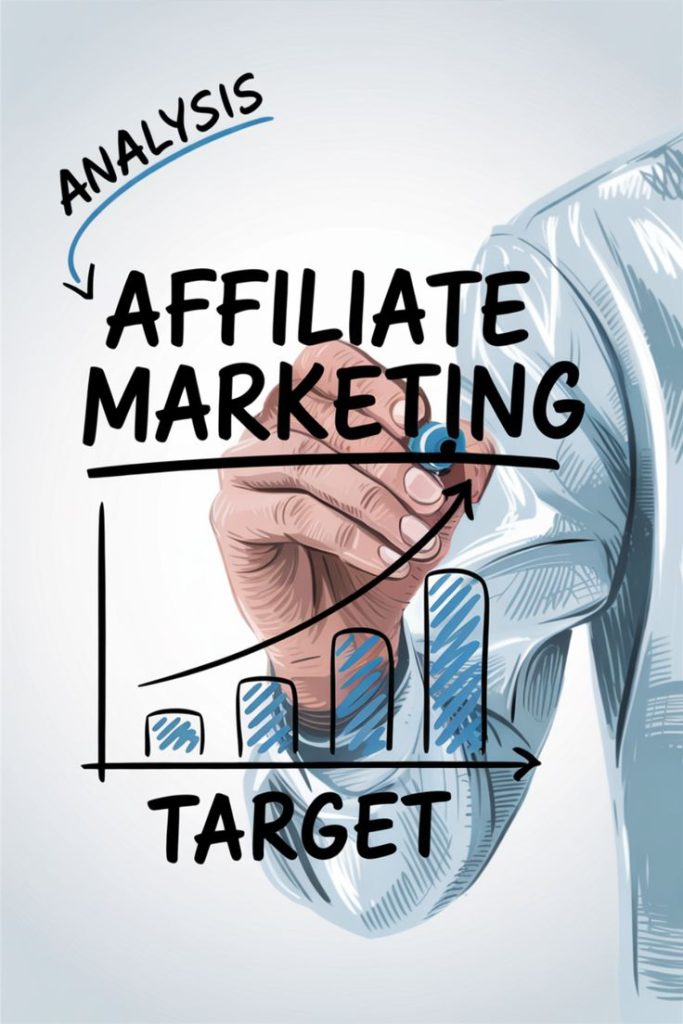
Affiliate Marketing is a digital marketing model in which a person or a company earns commission by promoting the products or services of another business. Here the affiliate promotes the product through his blog, website, social media or email. When a user purchases the product by clicking on the affiliate link, the affiliate gets a commission. In this, businesses do not need to hire an extra marketing team to promote their product and it becomes a passive source of earning for the affiliates. Affiliate Marketing provides a win-win situation where both the business and the affiliate benefit. Today, it has become a popular and easy method of earning online.
12.Understanding SEO Basics
SEO basics mean optimizing a website so that it ranks higher in search engines like Google and attracts organic traffic. SEO is divided into two main parts – On-Page SEO and Off-Page SEO. On-Page SEO involves optimizing content quality, keywords, title tags, meta descriptions and images. Off-Page SEO involves creating backlinks and social sharing. Another important part is technical SEO, which ensures site speed, mobile-friendliness and proper indexing. Understanding SEO basics is important for every digital marketer as it provides a foundation for website visibility, credibility and business growth.
13.On-Page SEO
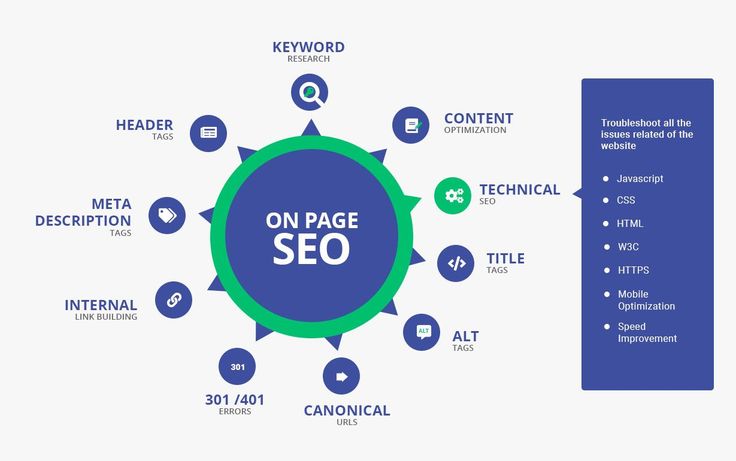
On-Page SEO is an important part of SEO in which things inside a website are optimised to get a higher ranking in search engines. First of all, proper use of keywords is done in this, which are included in the content, title, headings and meta description. Optimising images and videos is also a part of On-Page SEO, as is setting file size and alt text. Improving internal linking and URL structure is also important. Ensuring content quality and readability is also important. On-Page SEO improves website visibility, user experience and organic traffic.
14.Off-Page SEO
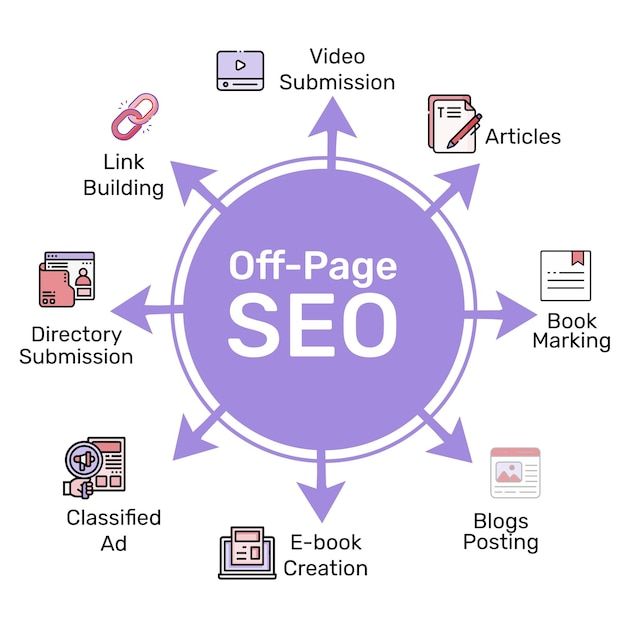
Off-Page SEO is a SEO technique used to optimise activities outside of a website to improve the ranking of a website in search engines. Its main focus is creating backlinks, that is, getting links to your site from other trusted websites. Social media sharing and online reputation management are also part of Off-Page SEO. When high-quality backlinks are received, it signals to search engines that the website is trustworthy and popular. Guest blogging, influencer outreach and forum participation are also effective Off-Page SEO strategies. It helps to increase a website’s credibility, authority and organic traffic.
15.Technical SEO
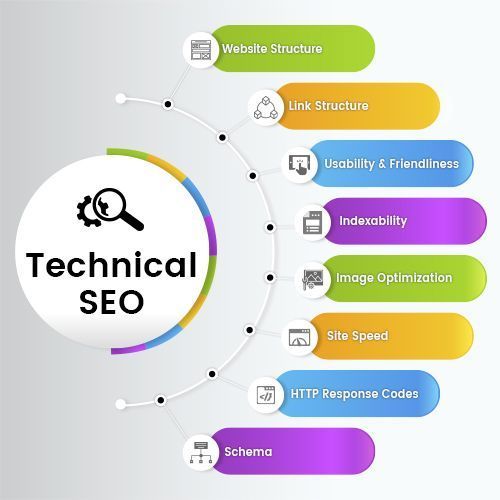
Technical SEO is an important part of SEO that optimizes the technical aspects of a website so that search engines can easily crawl and index the site. It includes website speed, mobile-friendliness, secure connection (HTTPS) and proper URL structure. Setting up XML sitemaps and robots.txt file is also a part of technical SEO. Fixing broken links and duplicate content is also a part of technical SEO. It ensures that the website is fast, secure and search engine-friendly. Through technical SEO, website’s visibility and ranking improves, user experience becomes better and overall organic traffic increases. This is an essential skill for every digital marketer.Technical SEO is an important part of SEO that optimizes the technical aspects of a website so that search engines can easily crawl and index the site. It includes website speed, mobile-friendliness, secure connection (HTTPS) and proper URL structure. Setting up XML sitemaps and robots.txt file is also a part of technical SEO. Fixing broken links and duplicate content is also a part of technical SEO. It ensures that the website is fast, secure and search engine-friendly. Through technical SEO, website’s visibility and ranking improves, user experience becomes better and overall organic traffic increases. This is an essential skill for every digital marketer.
16.Keyword Research Essentials
Keyword research is a fundamental step of digital marketing and SEO in which the best keywords are found for the website that the target audience searches for. This process helps in optimizing content and achieving higher rankings in search engines. Tools like Google Keyword Planner, SEMrush and Ahrefs are used in keyword research. Search volume, competition and user intent are analyzed in this. Both short-tail and long-tail keywords are important. Selecting the correct keywords increases organic traffic, makes content relevant and helps in business growth. This is the starting point of every SEO campaign.
17.Content Marketing Fundamentals
Content marketing fundamentals focus on creating valuable and relevant content that attracts and engages an audience. Its main purpose is not direct selling but rather to build trust and develop long-term relationships. Forms of content include blogs, articles, videos, infographics, podcasts and social media posts. Effective content marketing requires understanding the audience and analyzing their needs. It is also important to make the content search engine-friendly and shareable. This strategy helps build brand awareness, customer loyalty and generate leads. In today’s digital era, it is an essential marketing tool for businesses.
18.Why Content is King
Content is called the “King” because it is the core element of digital marketing that attracts, engages and retains audiences. High-quality and relevant content builds brand credibility and helps gain user trust. Content formats like blogs, videos, infographics, social media posts and podcasts allow a business to effectively communicate its story. Search engines also prefer content, so the role of content in SEO is very important. Marketing campaigns fail without content. Good content generates leads, increases brand awareness and provides a foundation for long-term business growth.
19.Types of Content (Blogs, Videos, Infographics)
Different types of content are used in digital marketing that engage the audience and increase brand awareness. The most common type is Blogs, which are informative and detailed articles and help in SEO. The second is Videos, which are visual and interactive and increase user engagement fast. Videos are used for tutorials, product demos or brand stories. The third type is Infographics, which present information visually and are easily shareable. By using a combination of these content types, a business can educate, entertain and engage its audience and generate leads.
20.Creating an Effective Content Strategy
Creating an effective content strategy involves first understanding the target audience – identifying their needs, interests and problems. Then, setting content goals, such as increasing brand awareness, lead generation or sales. It’s important to decide on content types and formats, such as blogs, videos, infographics or social media posts. Planning a content calendar helps ensure consistent and timely posting. It’s also important to integrating keywords and SEO so that your content will rank in search engines. The strategy should include performance tracking and analysis, so that improvement and optimization are possible. An effective strategy engages the audience and leads to business growth.
21.Social Media Marketing Essentials
Social Media Marketing Essentials In Social Media Marketing Essentials, businesses use social platforms to promote their products and services and engage with audiences. First, it is important to identify the target audience so that the right content reaches them. Platforms like Facebook, Instagram, Twitter and LinkedIn are used. Content types include posts, stories, reels, videos and ads. Consistency and timing are important to improve engagement and reach. Right use of hashtags and trends increases visibility to the audience. Tracking analytics is also essential to measure performance and improve strategy. Social Media Marketing is an effective tool for brand awareness and customer loyalty.
22.Popular Platforms (Facebook, Instagram, LinkedIn, Twitter)
A. Facebook – Largest user base, used for posts, videos, ads and groups. Best for audience engagement and brand awareness.
B. Instagram – Ideal platform for visual content focused, reels, stories and influencer marketing. Effective for younger audience.
C. LinkedIn – Used for professional network, B2B marketing and sharing career-related content. Strong platform for networking and lead generation.
D. Twitter – Used for short updates, trending topics and real-time interaction. Effective for customer service and engagement.
Each platform has a unique audience and content type, so the strategy should be platform-specific.Facebook – Largest user base, used for posts, videos, ads and groups. Best for audience engagement and brand awareness.
- For more intresting blogs visit: macweb.com
23.Building a Social Media Strategy
Building a social media strategy involves first defining business goals, such as brand awareness, engagement or lead generation. Then, identifying the target audience – it is important to understand their age, interests and online behaviour. The strategy decides the content types and formats like posts, videos, reels and stories. Planning a content calendar helps maintain consistency. Platform selection is also important – different approaches are used for Facebook, Instagram, LinkedIn and Twitter. Analytics tracking and performance measurement are also essential so that the strategy can be optimised. An effective strategy helps the brand connect and engage with the audience.
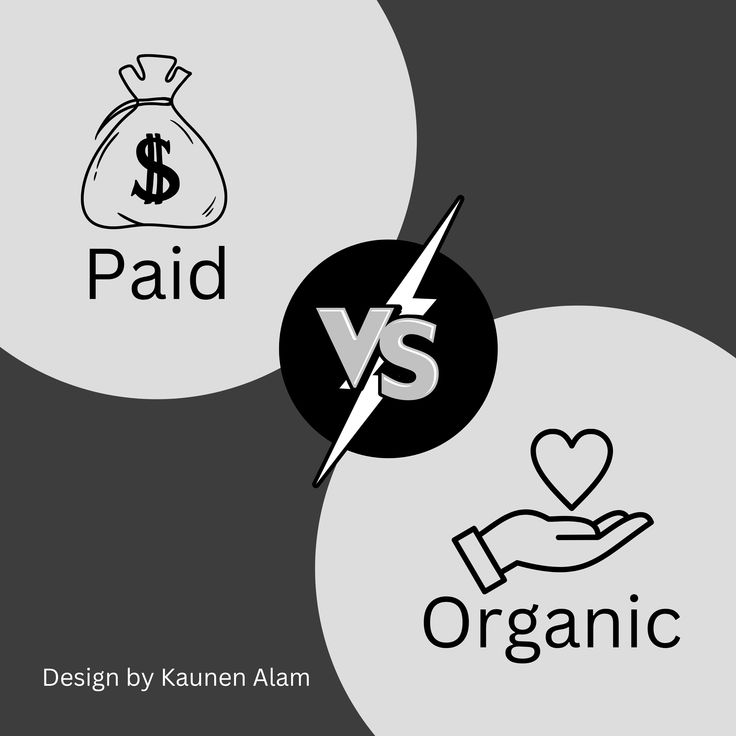
24.Organic vs Paid Social Media
- ORGANIC SOCIAL MEDIA
A. Free content posting like posts, stories and videos.
B. Audience engagement grows naturally.
C. Builds long-term relationships and brand loyalty.
D. Reach is limited and growth is slow.
E. Best for consistent communication and community building.
- PAID SOCIAL MEDIA
A. Runs paid ads like Facebook Ads, Instagram Ads.
B. Reaches specific target audience quickly.
C. Results are measurable and ROI can be tracked.
D. Effective for fast traffic and lead generation.
E. Suitable for short-term campaigns and promotions.
25.Pay-Per-Click (PPC) Advertising
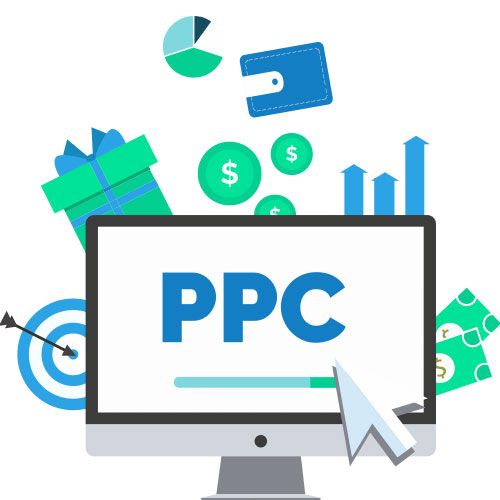
Pay-Per-Click (PPC) Advertising is a digital marketing technique in which the advertiser pays for each click. Meaning the ad is only charged when the user clicks on it. It is an effective way to generate fast and measurable traffic. PPC campaigns can be run on Google Ads, Bing Ads and social media platforms. Proper use of keywords and bidding strategies is important so that the ad reaches the right audience. Businesses achieve targeted leads and sales through PPC. It is easy to track and optimise campaign performance, which helps improve ROI. Paid ads are ideal for quick visibility and fast growth.
26.How PPC Works
- Keyword Selection – First of all, relevant keywords are selected which the audience searches for.
- Ad Creation – Attractive ads are made which encourage clicks.
- Bidding – The advertiser sets a bid as to how much he will pay for each click.
- Ad Auction – When a user searches, the search engine runs an ad auction and displays the best ad.
- Ad Display – The selected ad appears in the search results or social media feed.
- User Clicks – The advertiser pays only when the user clicks on the ad.
- Conversion Tracking – Clicks are tracked and the campaign is optimised
28.Measuring PPC Performance
Measuring PPC performance means analysing the results of your paid campaigns to see whether the ads are effective or not. The first thing you look at is CTR (Click Through Rate) which shows how many people are clicking after seeing the ad. Conversion Rate measures how many of the clicks are leading to an actual action, like a purchase or sign-up. It is also important to evaluate CPC (Cost Per Click) and ROI (Return on Investment). Impressions, clicks, conversions and overall performance can be tracked using Google Ads and analytics tools. Proper measurement makes it possible to optimise campaigns and utilise the budget effectively.
29.Email Marketing for Beginners
- Basic Understanding – Email marketing is a digital technique in which businesses send messages directly to the customer inbox.
- Build Email List – It is important to first create a genuine email list of subscribers who are interested audience.
- Content Creation – Emails should be informative, engaging and personalized like offers, newsletters or updates.
- Segmentation – Targeted emails should be sent by dividing the audience on the basis of age, interest and behavior.
- Automation – It is easy to send scheduled emails through tools.
- Tracking – Performance is analyzed by measuring open rate, click-through rate and conversions.
- Benefits – It is cost-effective, builds strong customer relationship and increases sales.
30.Conclusion
Digital Marketing is a powerful tool with which any beginner can grow his career and business. If you are starting from scratch then it is important to first understand the basics like SEO, Content Marketing, SMM, PPC and Email Marketing. Only step by step learning and practical implementation will lead to growth. Every beginner must follow his roadmap with patience and consistency. With time you will get hands-on experience of the tools and strategies that will make you a successful digital marketer. The opportunities in the digital world are unlimited, you just have to get started and keep searching.